
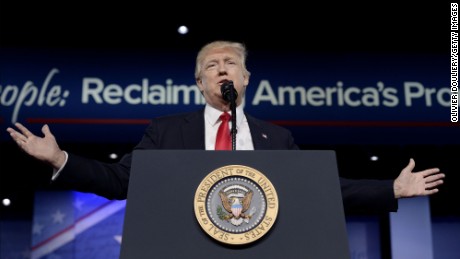
One of President
Trump’s most consistent targets throughout the election season was the media in
general and fake news in particular. It was a big part of Trump’s schtick. Since
his inauguration, he has continued his criticisms. Why would he stop doing what
has worked so well for him? President Trump recently called fake news the “enemy
of the people.” President Trump clearly believes that journalists who produce unfavorable
coverage should be treated as enemies.
Trump’s
dislike for the media is understandable. Many in the media clearly detest Trump
and it’s obvious. Most of the media were way off in their polling and their prognostications
about the election. They said, over, and over, and over that he didn’t stand a
chance. More recently, the infamous dossier that was published by Buzzfeed hasn’t
resulted in any big stories so far.
CNN and the New York Times were shut out of a recent press briefing with White House Press
Secretary Sean Spicer. One wonders what will happen next. Will the practice of excluding
critical media increase? Will media organizations try to be nicer in order to
avoid being excluded? Will someone – perhaps Jimmy Carter – step up to help
Trump and the media negotiate for a lasting peace?
Trump Declares War on Fake New: Producers of Fake News head for their bunkers.
Trump Declares War on Fake New: Producers of Fake News head for their bunkers.

